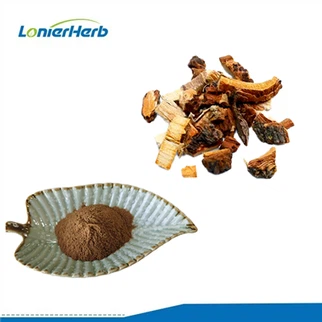
Stevia-Extrakt RA98 Prozent, in einem Satz, ist ein natürlicher Süßstoff in China, der seit mehr als 30 Jahren von synthetischen Süßstoffen verdrängt wird. Stevia wird aus Stevia gewonnen, das einst eine landwirtschaftliche Stützpflanze in Shanxi, Jiangsu und sogar Jiangxi in China war. , aber es wurde vor 30 Jahren von einigen internationalen Unternehmen für synthetische Süßstoffe brutal unterdrückt. Es wurde immer davon ausgegangen, dass Steviolglykoside unsicher sind und Steviolglykoside aus natürlichem Stevia gewonnen werden. Im Jahr 2008 genehmigte die US-Zulassungsbehörde FDA schließlich Stevia als natürlichen Süßstoff, und viele Länder prüfen die nationale Zulassung, und Europa ist ebenfalls zugelassen. Seitdem ist Stevia ein Hit mit einem nach-bitteren Geschmack. Aber er ist der gesündeste natürliche Süßstoff.

China's stevia exports are not all smooth sailing. In 2002, some foreign media reported that stevia produced in China was harmful to the human body, which directly led to the removal of many foreign foods containing Chinese stevia, and many countries no longer imported Chinese stevia products. Affected by this, China's stevia exports fell into a trough in the following years.
The turnaround came in 2007. At that time, there was a wave of criticism of aspartame in the Western medical media, saying that regular consumption of food and beverages containing aspartame would cause Alzheimer's disease and other diseases. Some Western medical experts even believed that aspartame had similar effects to "Neurotoxin" side effects, these reports caused great panic in the Western market. Under this situation, western markets such as the United States re-examined the safety of synthetic sweeteners such as aspartame in food and beverages, and found that plant-derived stevia is the most ideal substitute for synthetic sweeteners. Under the strong pressure exerted by many food manufacturers in the United States, the US FDA finally agreed that stevia can be used in food and beverages in 1998, and since then recognized that stevia is a GRAS-grade food additive.

This is equivalent to issuing a pass for stevia to enter the developed country market. Soon, stevia has been widely used in the production of various food and beverages and sugar-free foods in foreign markets. After 2007, China's stevia exports began to increase, from less than 100 million US dollars in 2007 to 125 million US dollars in 2009, and soared to 570 million US dollars in 2011, thus making stevia become a domestic product. The largest export value of plant extract products. Jiangxi, Shandong and Jiangsu are the three provinces with the largest export volume of stevia in China, and the output and export volume of stevia sugar account for 80 percent of the total domestic output and export volume.
Japan, die Vereinigten Staaten, Südkorea, Malaysia, Kanada, Mexiko, Russland, die Schweiz und andere Länder sind die Hauptmärkte für China, um Stevia zu exportieren. Derzeit hat der Gesamtumsatz des globalen Stevia-Marktes 1,5 bis 1,7 Milliarden US-Dollar erreicht, mit einer jährlichen Wachstumsrate von mehr als 21 Prozent.
Stevia ist also mehr wert als Zucker und es ist mehr Gesundheit.
LonierHerb are mainly do Stevia for more than 10 years,if any interested,please contact
per E--Mail:info@lonierherb.comoder WhatsApp/WeChat:86-17702909819